




- My Forums
- Tiger Rant
- LSU Recruiting
- SEC Rant
- Saints Talk
- Pelicans Talk
- More Sports Board
- Winter Olympics
- Fantasy Sports
- Golf Board
- Soccer Board
- O-T Lounge
- Tech Board
- Home/Garden Board
- Outdoor Board
- Health/Fitness Board
- Movie/TV Board
- Book Board
- Music Board
- Political Talk
- Money Talk
- Fark Board
- Gaming Board
- Travel Board
- Food/Drink Board
- Ticket Exchange
- TD Help Board
Customize My Forums- View All Forums
- Show Left Links
- Topic Sort Options
- Trending Topics
- Recent Topics
- Active Topics
Started By
Message
re: Homebrewing Thread: Volume II
Posted on 3/2/21 at 7:47 am to Lucky_Stryke

Posted on 3/2/21 at 7:47 am to Lucky_Stryke
quote:
Should I sanitize the pineapple juice if i add some?
I never sanitize fruit. Most of my fruiting, however, is done with sour beers, so i want some of whatever bugs may be on there.
However, i've also never sanitized fruit for clean beers. If it would make you feel better, you could puree' the fruit and heat it up on the stove, then cool it prior to pitching. But IMO, especially in IPA's, you have more than enough hops to prevent growth of anything unwanted. Most souring bacteria that is attracted to that atmosphere is very hop intolerant.
FWIW, i do a coconut porter every now and then, and toasting is the way to go. Only problem, is i'm toasting 1-2 lbs. of coconut, and that takes up a lot of space. I typically toast the coconut, throw it in a muslin bag, and throw it in the keg and let condition in the keg for a little bit.
 1
1


Posted on 3/2/21 at 8:03 am to BugAC
toast to a light brown? or not even that long?
Posted on 3/2/21 at 8:07 am to Lucky_Stryke
quote:
toast to a light brown? or not even that long?
Slight browning on the edges. You want to line a baking sheet with some paper towels to soak up some of the oils. My notes say toast @ 175 for 10 minutes, but i think you can up that to 200 for 10-20 minutes, and just watch them after 10 minutes. You don't want to cook them, just get them to release the oils.
Posted on 3/2/21 at 8:16 am to BugAC
perfect thank you. how much you thinking for a 5 gal batch? 1 lb?
Posted on 3/2/21 at 8:45 am to Lucky_Stryke
I've done 1 lb. and it came out great. I toasted the coconut in 2 batches i believe.
Posted on 3/3/21 at 8:49 am to BugAC
Last night i racked 3 gallons of a mixed ferm saison onto 10 lbs. of mango's. I think the saison is light enough to pick up some noticeable mango in the beer. Also, about to tap the pilsner tomorrow. Excited about that beer.
I also need to brew a few things, may try this weekend. I really need to top off my lambic, but i don't feel like turbid mash brewing. I may just use the single infusion version to top off, and put the rest in a fermenter with some Yeast Bay Melange sour blend. I also need to brew something to replace the spruce quick sour. Need to do another yeast inventory of what i have in stock to determine what to brew next.
I also need to brew a few things, may try this weekend. I really need to top off my lambic, but i don't feel like turbid mash brewing. I may just use the single infusion version to top off, and put the rest in a fermenter with some Yeast Bay Melange sour blend. I also need to brew something to replace the spruce quick sour. Need to do another yeast inventory of what i have in stock to determine what to brew next.
This post was edited on 3/3/21 at 8:50 am

Posted on 3/3/21 at 9:04 am to BugAC
I saw you say that you have never sanitized fruit before... I'm thinking of doing a strawberry wheat ale, so not alot of hops in there. Plus I'm thinking of going to a Louisiana strawberry farm and picking my own straight from the farm. I feel like I need to do something to sanitize them, but I really don't want to compromise the flavor at all. So I'm thinking of just going for it and adding them at secondary. I plan on washing in water, cutting, freezing, and thawing them. Makes me kind of nervous though.
Posted on 3/3/21 at 10:11 am to GeauxPack81
quote:
I feel like I need to do something to sanitize them, but I really don't want to compromise the flavor at all. So I'm thinking of just going for it and adding them at secondary. I plan on washing in water, cutting, freezing, and thawing them. Makes me kind of nervous though.
Don't be. If you're very concerned, you could puree' the strawberries with an immersion blender, if you have one, and put it in a pot and heat up the strawberries for a few minutes to sterilize them. I think 170 for 10 minutes does the job. I did the blending thing for a strawberry milkshake kettle sour, but did not warm the liquid. But again, i was purposefully souring the beer, so i wasn't concerned with anything else getting in there. It came out great.
When i first started brewing, i made a blackberry wheat. Did not sterilize, only thing i did was freeze, thaw, then put in the fermenter. From what i remember, zero issues.
Also, i don't think you need a lot of hops to inhibit LAB growth. I know for mixed fermentation sours, if i want to ensure sourness, i keep the hopping below 8 IBU's. I think if you are over 15 IBU's worth of hops, that will kill anything unwanted. 20 to be on the safe side. I also think that the style your brewing, a strawberry wheat, would be tasty with a little tartness, but again, i doubt you get anything noticeable, if at all, just pitching as is, with 15 or higher IBU's.
This post was edited on 3/3/21 at 10:12 am
Posted on 3/3/21 at 10:18 am to BugAC
As a side note, i think the brewing books drills into our heads the fear of contamination of your beer. I think it is a much bigger problem in professional breweries than in the homebrew setting. Soaking with starsan tends to kill everything, and the cost at a homebrew level is very small. Pro-breweries have a lot more to contend with. As long as you have decent cleaning/sanitation techniques, you really don't have much to worry about. Hops kill souring bugs. Brett is often out competed by Sach yeast, and will only become noticeable if you want it to be. Which means ambient wild brett impacting your beer to a point you notice is rare, unless your beer sits in the open, in an area that is conducive to wild brett (near fruit trees/gardens), and if your beer after being exposed to the above elements, sits in your fermenter for several months.
It's one thing i've learned working with sour and brett cultures, is that you have to create the environment you want them to thrive, and that is not as easy as just leaving a beer exposed to the elements, or just accidentally not putting the stopper back in the carboy in the event of a blowoff.
Temperature, pitching rate, ambient air exposure, Oxygen exposure, hopping rate, etc... all impact brett and lactic acid bacteria growth. With Brett, the stage at which you pitch brett, either at beginning of primary, end of primary, or co-pitched with sach and brett all impacts the character and strength of the Brett in the beer.
It's one thing i've learned working with sour and brett cultures, is that you have to create the environment you want them to thrive, and that is not as easy as just leaving a beer exposed to the elements, or just accidentally not putting the stopper back in the carboy in the event of a blowoff.
Temperature, pitching rate, ambient air exposure, Oxygen exposure, hopping rate, etc... all impact brett and lactic acid bacteria growth. With Brett, the stage at which you pitch brett, either at beginning of primary, end of primary, or co-pitched with sach and brett all impacts the character and strength of the Brett in the beer.
Posted on 3/10/21 at 1:19 pm to BugAC
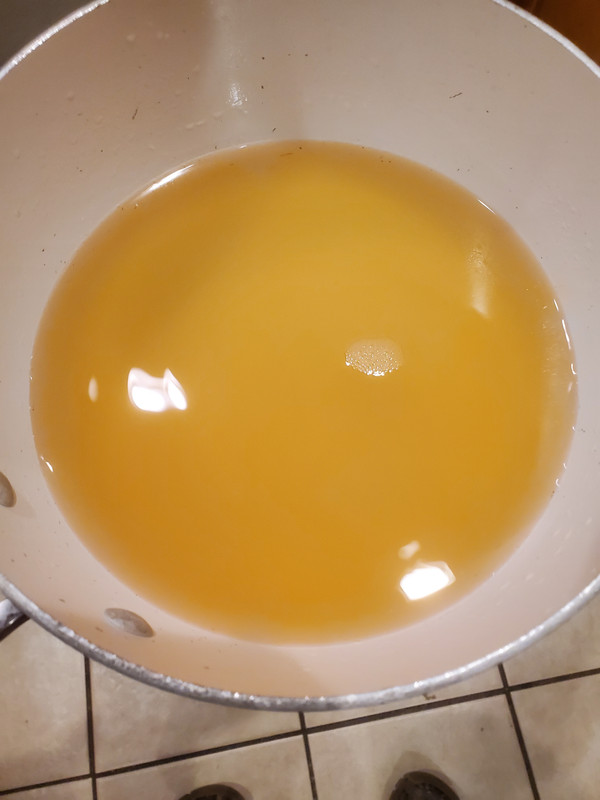
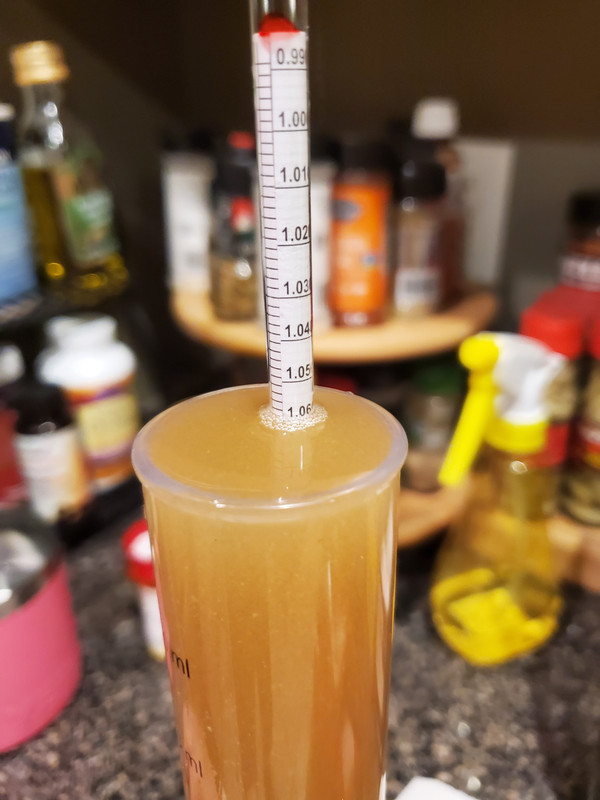
Brewed up the neipa with sabro and bru-1. Hit marks perfectly. Now fingers crossed i dont oxidize dry hopping or transferring

Posted on 3/10/21 at 1:23 pm to Lucky_Stryke
quote:
Now fingers crossed i dont oxidize dry hopping or transferring
Do you close transfer? Ever since i started doing this, i've had no issues even months after brew day, of any signs of oxidation.
Posted on 3/10/21 at 2:05 pm to BugAC
i dont close transfer as my carboy doesnt have a spigot. I do plan on racking with auto siphon but attaching a pin lock fitting onto the auto siphon and racking it in that way if that is possible
Posted on 3/10/21 at 2:18 pm to Lucky_Stryke
quote:
i dont close transfer as my carboy doesnt have a spigot.
You don't need one. All you need is this

Connect it to the black one of these

and connect to the post on your keg.
Here's my setup

Posted on 3/10/21 at 2:26 pm to BugAC
im using a fermonster which is a big mouth style. Much easier retrieving hops out from dry hopping. (Ive always used muslin bags)
Posted on 3/10/21 at 2:45 pm to Lucky_Stryke
There's one for fermonster lids as well. Look us fermonster closed transfer. I will concur with bug. While closed transfers can be sort of a pain, they have reduced my oxidation. Make sure you clean out the poppet from the fermenter to the serving keg before every transfer. They get clogged up with hops pretty easily although if you're using a hop sock you should be ok. Be sure to check the pressure limit on your fermenter and avoid exceeding it during the transfer.
Posted on 3/10/21 at 5:02 pm to puffulufogous
I found one thanks!! Can I just fill the keg up with co2 then attach the cap. Then hook up the liquid in then the attach the gas to the keg? Does the carboy go above the keg or vice versa or does it matter?
Posted on 3/10/21 at 6:49 pm to Lucky_Stryke
I can only speak to what I do, but then again I ferment in a keg so go with what bug says. I purge the serving keg a few times with co2. Screw the cap on your fermonster, attach a gas in from your co2 tank to the adapter on the cap, attach the liquid disconnect to the serving keg, open the regulator to 2 psi, and open the pressure release on the serving keg to allow beer to flow. It's not a fast process so be patient. Height does not matter.
Posted on 3/10/21 at 6:56 pm to Lucky_Stryke
quote:
Can I just fill the keg up with co2 then attach the cap.
You can, but you have to purge all the CO2 out of the keg or else you’ll be pushing Cao2 back into your fermenter. Also, make sure the valve in the keg lid is open or else the built up pressure will stop the transfer from fermenter to keg.
Just remember, you’re working with pressure. You can’t gravity feed or slightly pressurize a fermenter into a pressurized keg. Stupidly, I’ve done this before and bubbled up the wort pretty good and also shot beer all over the place.
This post was edited on 3/10/21 at 6:56 pm
Posted on 3/10/21 at 6:57 pm to puffulufogous
quote:
Height does not matter.
While technically true, it helps the transfer process of your fermenter is higher than the keg. Less CO2 and pressure needed to transfer.
Posted on 3/10/21 at 8:14 pm to BugAC
My original thought was to just take the bottling wand off my auto siphon and attach liquid keg fitting as i actually have an extra. Then just pop the bung out real quick and put the auto siphon in then have a wet rag sanitized with star sand and wrap around the opening of the lid and auto siphon and transfer that way.
The transfer kit for the fermonster doesnt come with the o ring for the lid and states to use the original one. My beer is already fermenting. And if i had an o ring that fit and worked fine, id still have to swap out the lids. So im not sure how well that will work for me right now anyway. I even thought about kegging it slightly earlier and finishing fermenting in keg incase I do introduce some oxygen. Or when i do transfer into keg, putting the co2 onto the liquid side and forcing co2 through the beer and then purging a couple times. Im overthinking the frick out of it im sure. Im just trying to figure whats best way for me now.
My keg lids dont have the valve so i have to purge via gas connection. I been meaning to get new ones. I bought all this 2nd hand for dirt cheap. Kegerator with tower, gas cylinder, regulator, 2 corny kegs for 200 bucks off marketplace.
The transfer kit for the fermonster doesnt come with the o ring for the lid and states to use the original one. My beer is already fermenting. And if i had an o ring that fit and worked fine, id still have to swap out the lids. So im not sure how well that will work for me right now anyway. I even thought about kegging it slightly earlier and finishing fermenting in keg incase I do introduce some oxygen. Or when i do transfer into keg, putting the co2 onto the liquid side and forcing co2 through the beer and then purging a couple times. Im overthinking the frick out of it im sure. Im just trying to figure whats best way for me now.
My keg lids dont have the valve so i have to purge via gas connection. I been meaning to get new ones. I bought all this 2nd hand for dirt cheap. Kegerator with tower, gas cylinder, regulator, 2 corny kegs for 200 bucks off marketplace.

 Page 250 of 280

Popular
Back to top
 Follow TigerDroppings for LSU Football News