




- My Forums
- Tiger Rant
- LSU Recruiting
- SEC Rant
- Saints Talk
- Pelicans Talk
- More Sports Board
- Fantasy Sports
- Golf Board
- Soccer Board
- O-T Lounge
- Tech Board
- Home/Garden Board
- Outdoor Board
- Health/Fitness Board
- Movie/TV Board
- Book Board
- Music Board
- Political Talk
- Money Talk
- Fark Board
- Gaming Board
- Travel Board
- Food/Drink Board
- Ticket Exchange
- TD Help Board
Customize My Forums- View All Forums
- Show Left Links
- Topic Sort Options
- Trending Topics
- Recent Topics
- Active Topics
Started By
Message
Bad spots in St Augustine
Posted on 3/30/26 at 2:47 pm

Posted on 3/30/26 at 2:47 pm
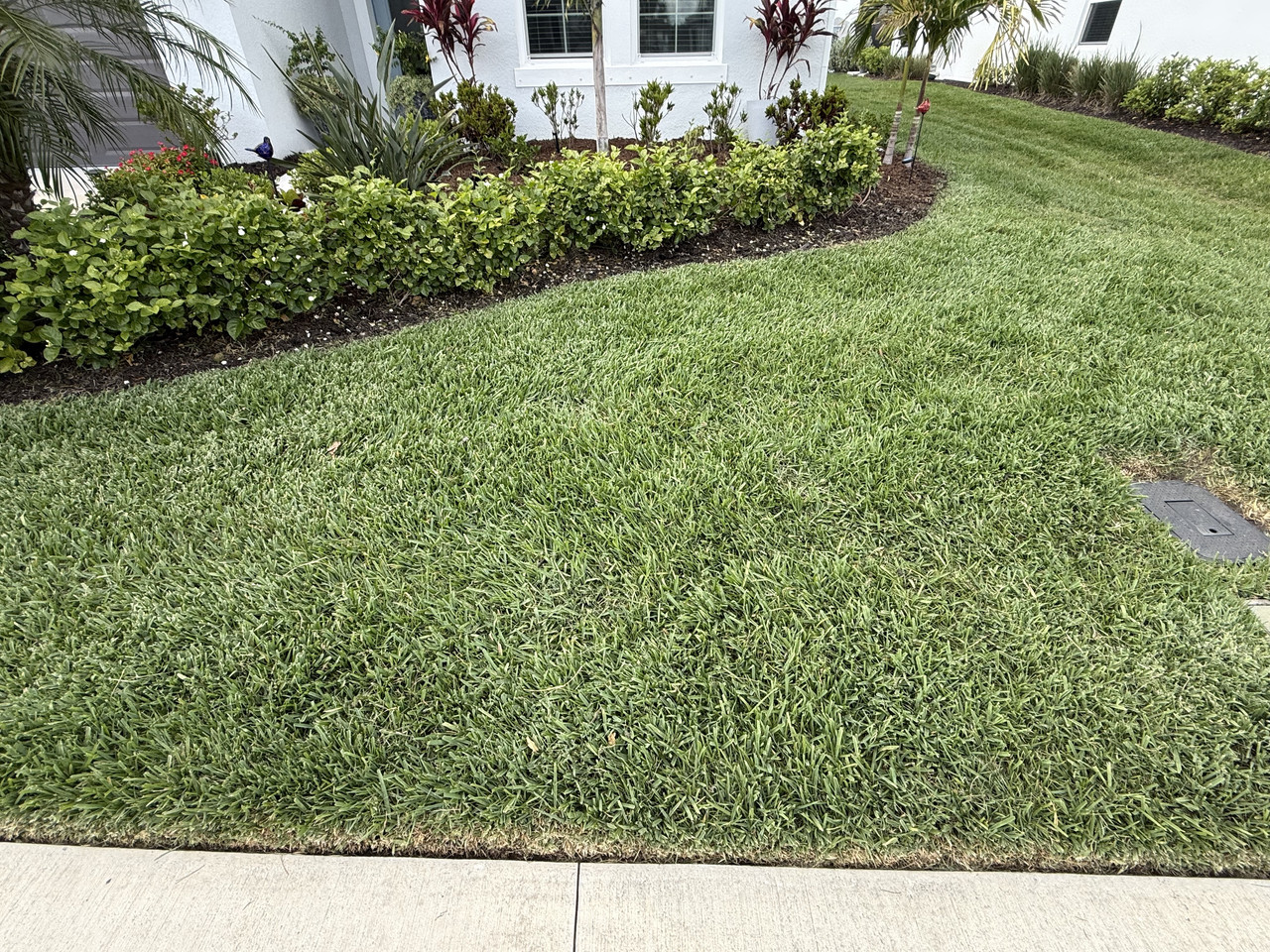
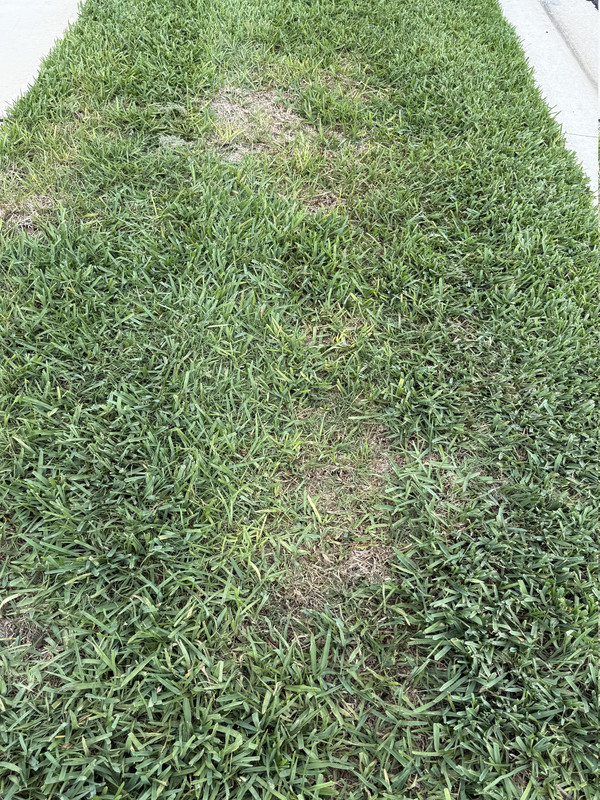
This is my first time having St Augustine and with a little bit of rain we’re finally getting in South Florida, the grass is starting to get green and look good. I’ve got a few areas that have a few bad spots that were bad last year. Any thoughts on how to get the spots to fill in. Do I just need to sand them?
Overall starting to look good.
Bad spots
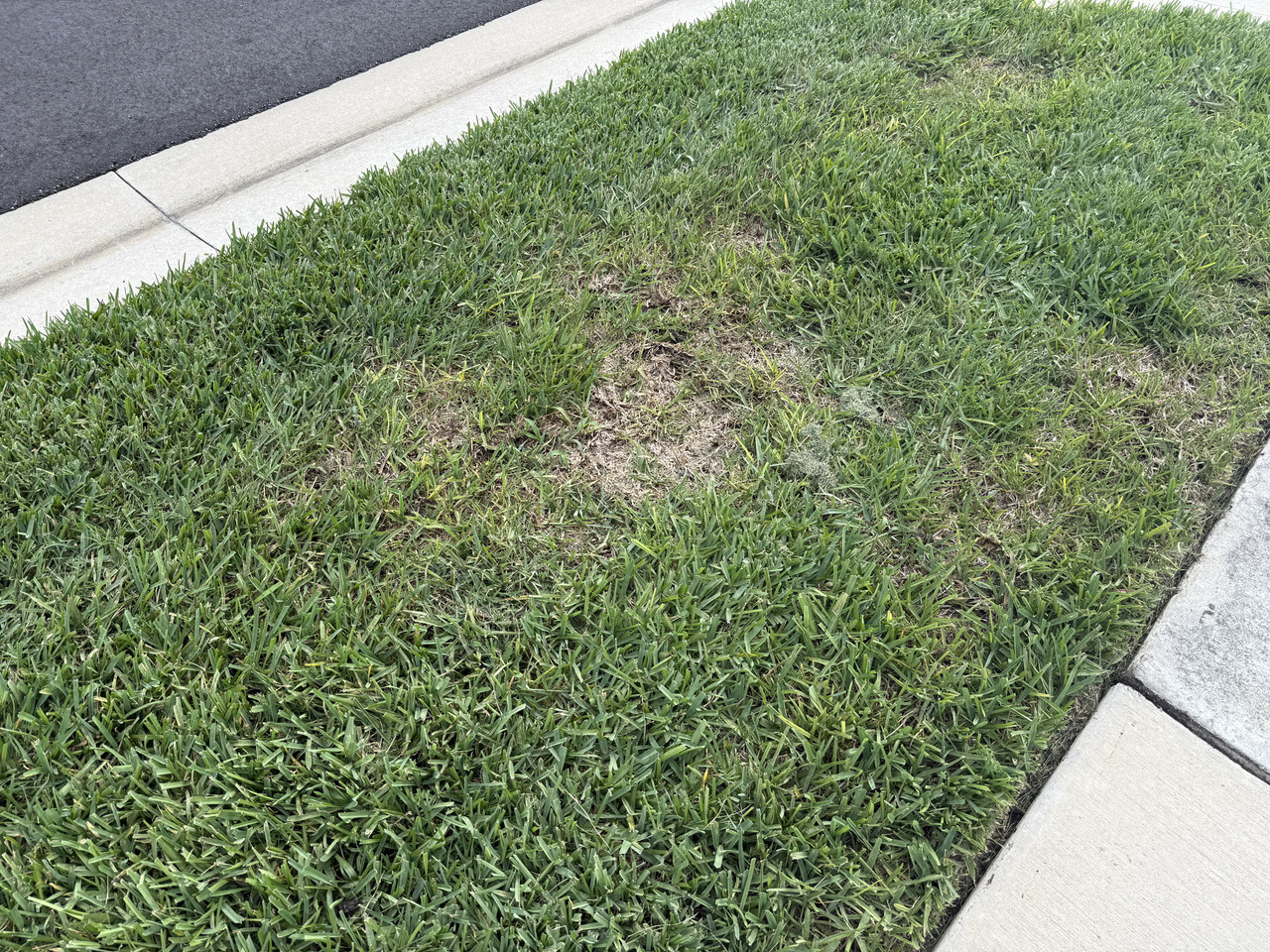
Overall starting to look good.
Bad spots
 3
3



Posted on 3/30/26 at 3:11 pm to LanierSpots
There might be a rock or something buried under there. Probe it and see.
If there isn't anything that needs to be pulled out I would sand it and let it fill in. I get some spots like that where dogs piss and they are usually covered back up within a month.
If there isn't anything that needs to be pulled out I would sand it and let it fill in. I get some spots like that where dogs piss and they are usually covered back up within a month.
Posted on 3/30/26 at 3:57 pm to LanierSpots
I was going to say look for rocks or old tree stumps or something sub-surface.
If nothing I’d still dig it out a couple inches deep, fill with soil sand mix, and keep it hydrated.
Always works for my Bermuda.
If nothing I’d still dig it out a couple inches deep, fill with soil sand mix, and keep it hydrated.
Always works for my Bermuda.
Posted on 3/30/26 at 8:53 pm to CatfishJohn
Thanks guys. I am going to probe those areas tomorrow.

Posted on 3/31/26 at 1:32 pm to LanierSpots
I wasnt able to save my SA yard due to take all root rot, so take my advice for what its worth, but one of the recommendations for thin spots like that assuming you've already evaluated for grubs, shade and fungus is to take a 50:50 sand/black kow combo and spread it over the impacted area to a .5" to 1" depth.
If there isnt a fungal or grub issue the SA should grow to cover the bare spot given nutrients, sun, water and time.
If there isnt a fungal or grub issue the SA should grow to cover the bare spot given nutrients, sun, water and time.
Posted on 3/31/26 at 4:04 pm to LanierSpots
It appears to be yellowing. More than likely chlorine caused by tarr. Azoxystrobin and a thin layer of peat moss.

 Page 1 of 1


Popular
Back to top
 Follow TigerDroppings for LSU Football News